Half the Centaur

Half the Centaur is a podcast and blog that explores the forgotten half of war — the animals that carried the weight of history. A blend of history, science, and art.

About

About Us

Tracing how Half the Centaur began, and why animals in war deserve rigorous, compassionate attention.
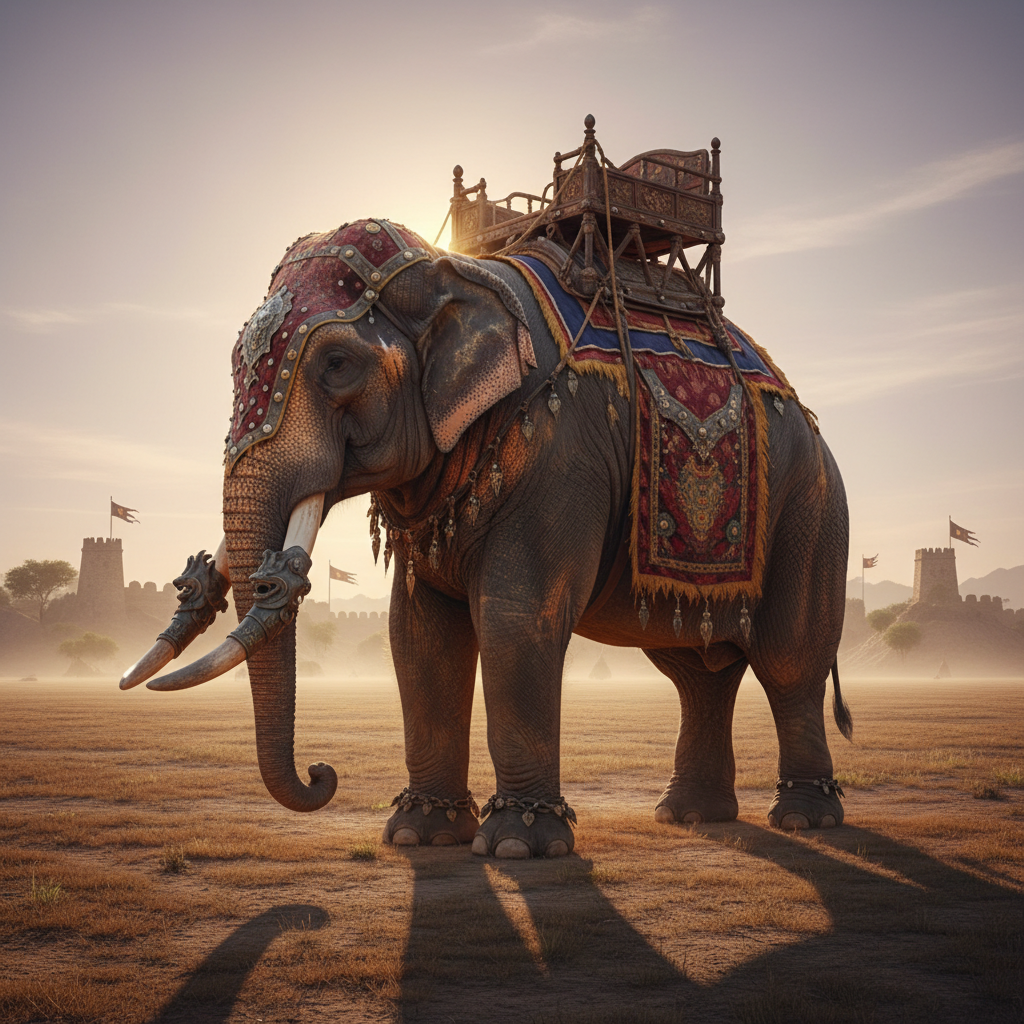
A massive Asian war elephant draped in ornate yet battle-worn cloth armor stands in profile on a dusty plain, its tusks capped with carved metal guards and its skin covered in subtle wrinkles and dust. In the distance, hazy silhouettes of ancient fortifications and standards rise against a pale sky, hinting at historical warfare without depicting combat. Warm, low golden-hour sunlight pours from behind, creating a soft halo along the elephant’s outline and long, graceful shadows stretching forward. Photographic realism with a cinematic, wide-angle composition places the elephant slightly off-center, giving a sense of scale and quiet power. The atmosphere feels grand, contemplative, and scholarly, emphasizing historical depth and the animal’s immense role in past conflicts.
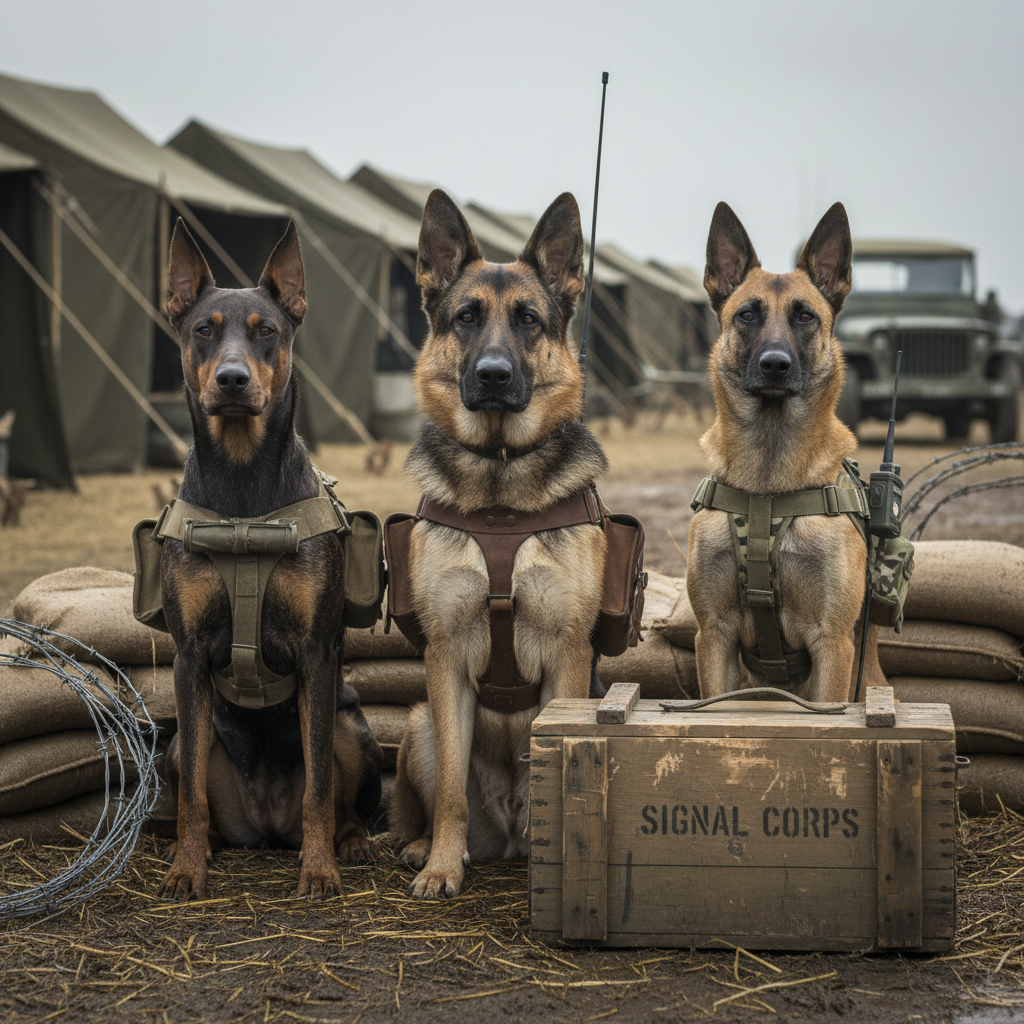
A trio of military messenger dogs from different eras sits attentively beside a weathered wooden field radio crate, each wearing distinct, authentic-looking harnesses and pouches that hint at their roles in war. Their fur textures—from short brindle to thick shepherd coat—are captured in sharp photographic detail. The setting is a quiet, muddy encampment edge with sandbags, coiled wire, and a blurred line of tents in the background. Overcast daylight filters softly from above, creating diffused, even lighting with gentle shadows. The mood is solemn yet respectful, emphasizing loyalty and service. Shot from a slightly low angle with rule-of-thirds composition and moderate depth of field, evoking a documentary, historically accurate feel without any graphic elements.

Why Animals Belong In History

Half the Centaur pairs archival research, battlefield science, and art history to recover animals’ roles in conflict, from horse-borne supply lines to naval pigeons and bomb-detecting dolphins, inviting you to listen, read, and question familiar war stories.

Our Contributors
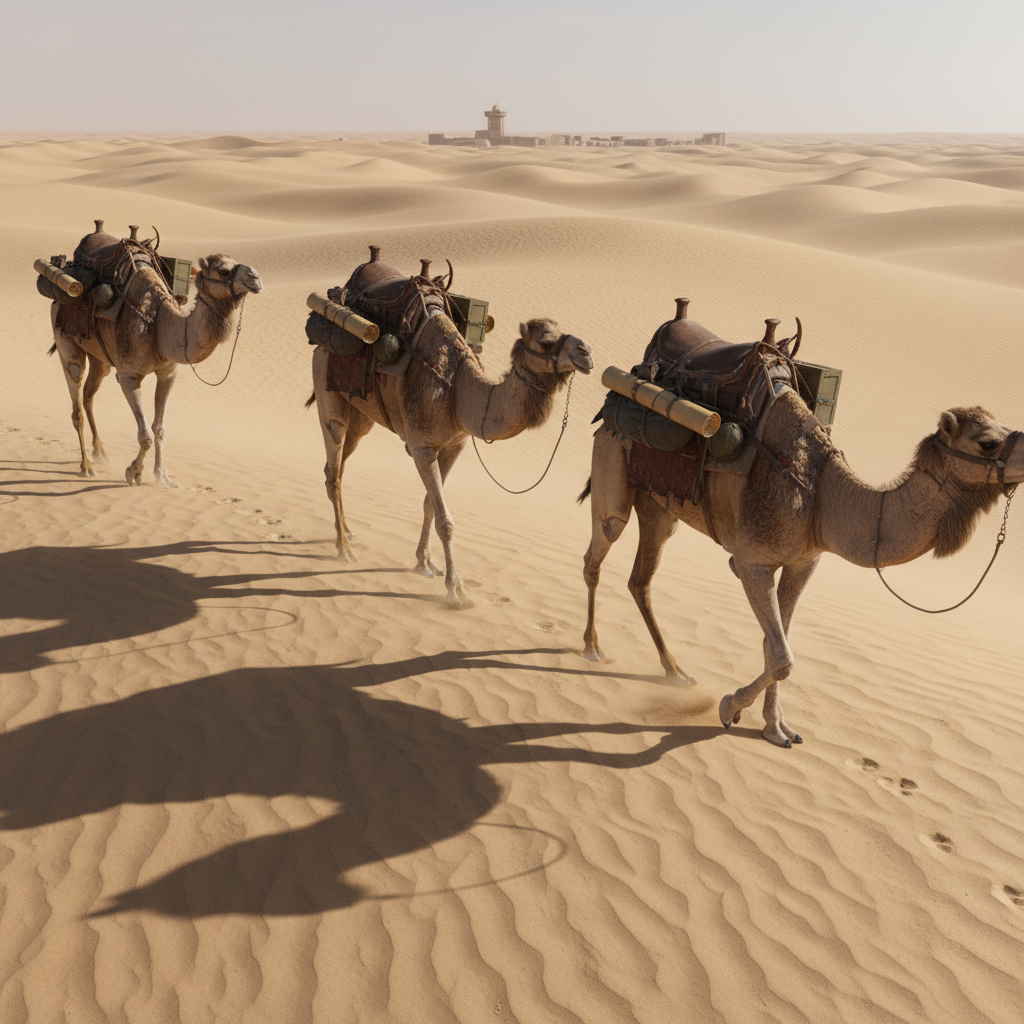
A caravan of war camels traverses a windswept desert ridge, their saddles adapted for military use with rolled maps, water skins, and covered crates strapped securely along their flanks. Their sandy coats are textured with fine dust, and their long shadows trail across rippled dunes. The horizon shows a faint, blurred outline of a desert fort and signal tower, hinting at strategic importance. Late afternoon sunlight is harsh yet clean, casting crisp shadows and highlighting every contour of sand and fur. Photographic realism, captured from a slightly elevated, three-quarter angle with a deep depth of field, emphasizing the vastness of the landscape. The mood is stoic and enduring, conveying logistical resilience and the often-overlooked support roles animals played in warfare history.

Aarav Sharma

CEO

Host and military historian, weaving campaigns, logistics, and animal labor into vivid narratives.
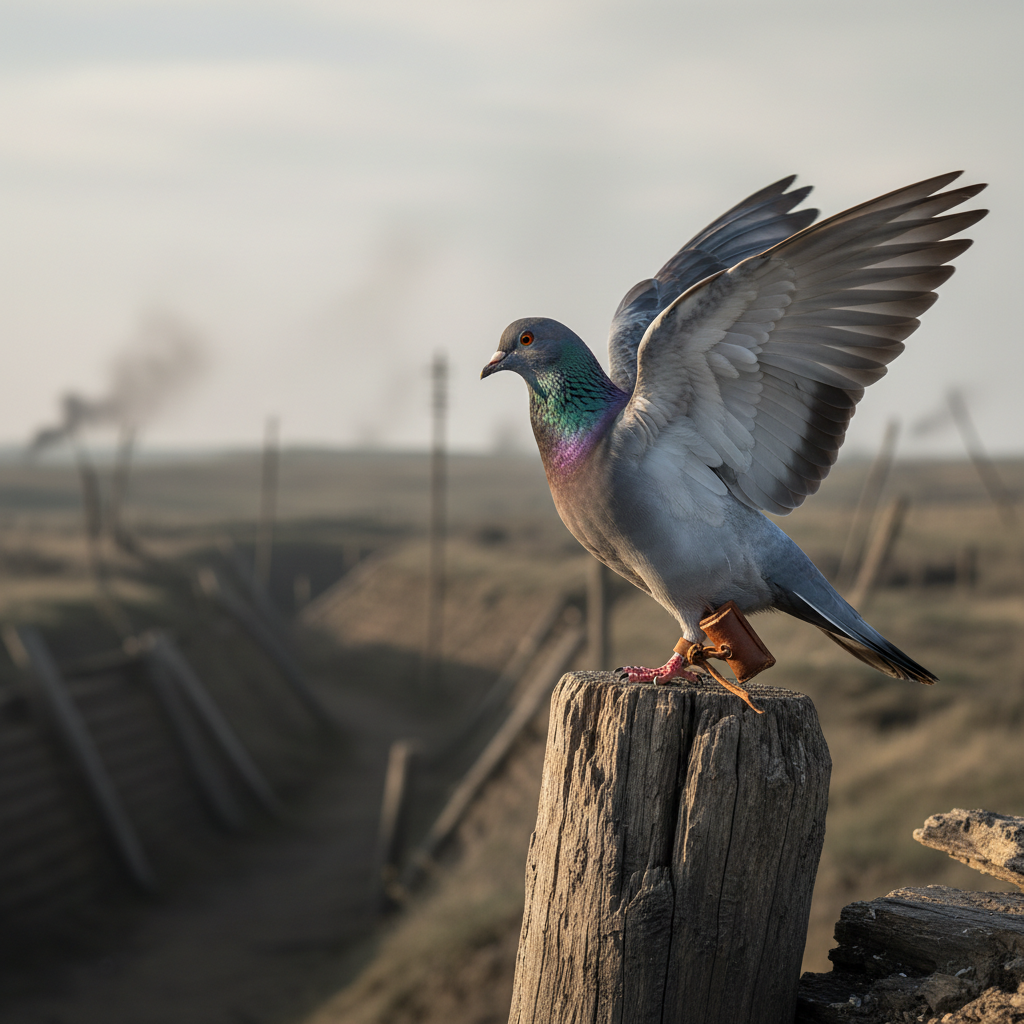
A solitary carrier pigeon with iridescent neck feathers and a tiny leather message capsule attached to its leg perches on the edge of a wooden trench post, wings slightly lifted as if preparing for flight. The background shows a historically accurate, desaturated battlefield horizon with blurred trenches, telegraph poles, and distant smoke clouds, all kept non-graphic and understated. Late afternoon light slants in from the right, carving a delicate rim of brightness along the bird’s feathers and the rough wood grain. Photographic realism, captured from a close-up, slightly elevated angle with a shallow depth of field, placing the pigeon in sharp focus. The mood is tense yet hopeful, highlighting the quiet heroism of animals in warfare in an elegant, sophisticated way.

Mateo García

CTO

Comparative psychologist decoding how training, stress, and instinct shaped animals’ behavior on battlefields.
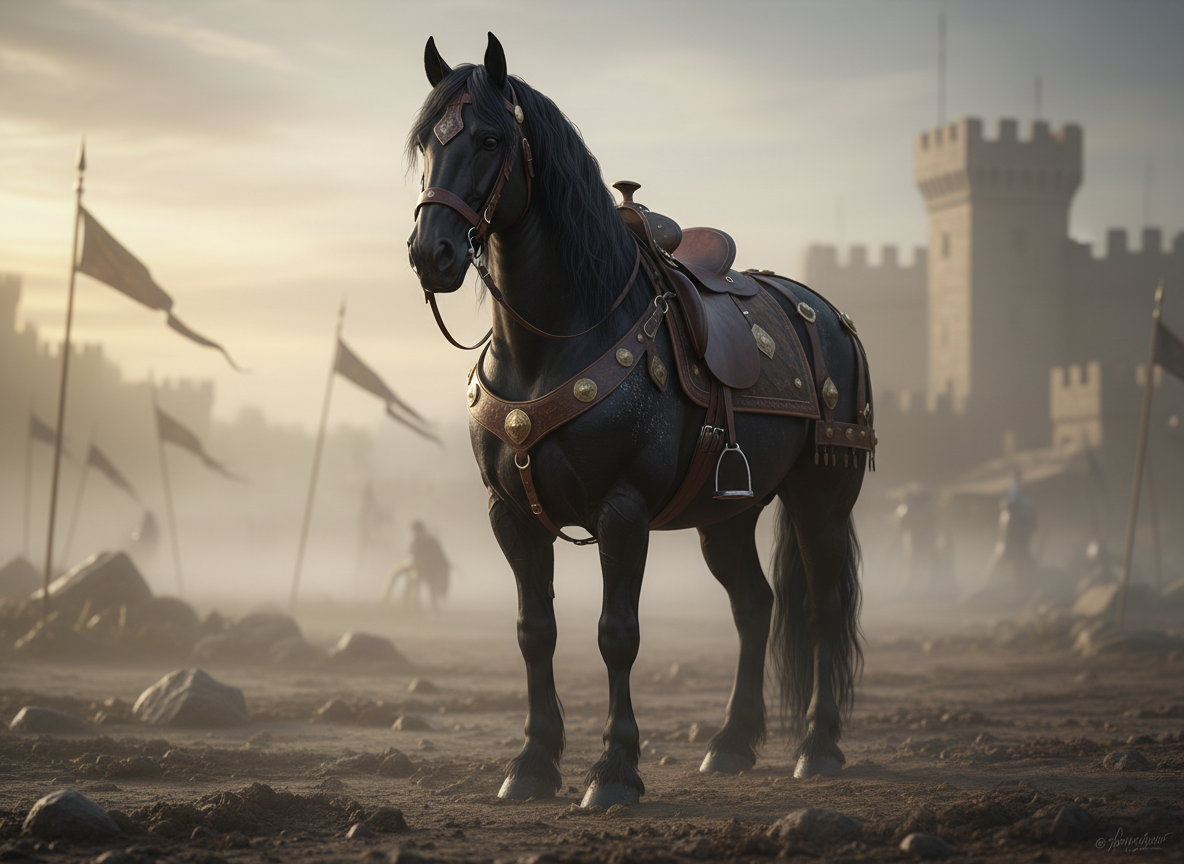
A powerful war horse in full historical tack stands alert on a misty battlefield at dawn, its glossy dark coat flecked with dew and its leather saddle and bridle worn but meticulously detailed. The ground beneath is churned earth and scattered hoofprints, with distant, softly blurred silhouettes of banners and fortifications implying conflict without showing any violence. Pale golden morning light cuts through the fog from the left, catching in the horse’s intelligent eyes and metal fittings. Photographic realism, shot at eye level with a shallow depth of field, centering the horse in a dignified, calm composition that feels sophisticated, reflective, and historically grounded.

Zuri Ndlovu

Engineer

Visual artist and producer, curating archival images and original art that reimagine war animals.

A massive Asian war elephant draped in ornate yet battle-worn cloth armor stands in profile on a dusty plain, its tusks capped with carved metal guards and its skin covered in subtle wrinkles and dust. In the distance, hazy silhouettes of ancient fortifications and standards rise against a pale sky, hinting at historical warfare without depicting combat. Warm, low golden-hour sunlight pours from behind, creating a soft halo along the elephant’s outline and long, graceful shadows stretching forward. Photographic realism with a cinematic, wide-angle composition places the elephant slightly off-center, giving a sense of scale and quiet power. The atmosphere feels grand, contemplative, and scholarly, emphasizing historical depth and the animal’s immense role in past conflicts.

Leila Haddad

Designer

Zoologist and ethicist, grounding each episode in animal welfare science and contemporary moral debate.